Plot Buying Checklist for India: Registry, Mutation, CLU and Naksha Explained
Eight documents, in plain words — so you know what you’re signing.
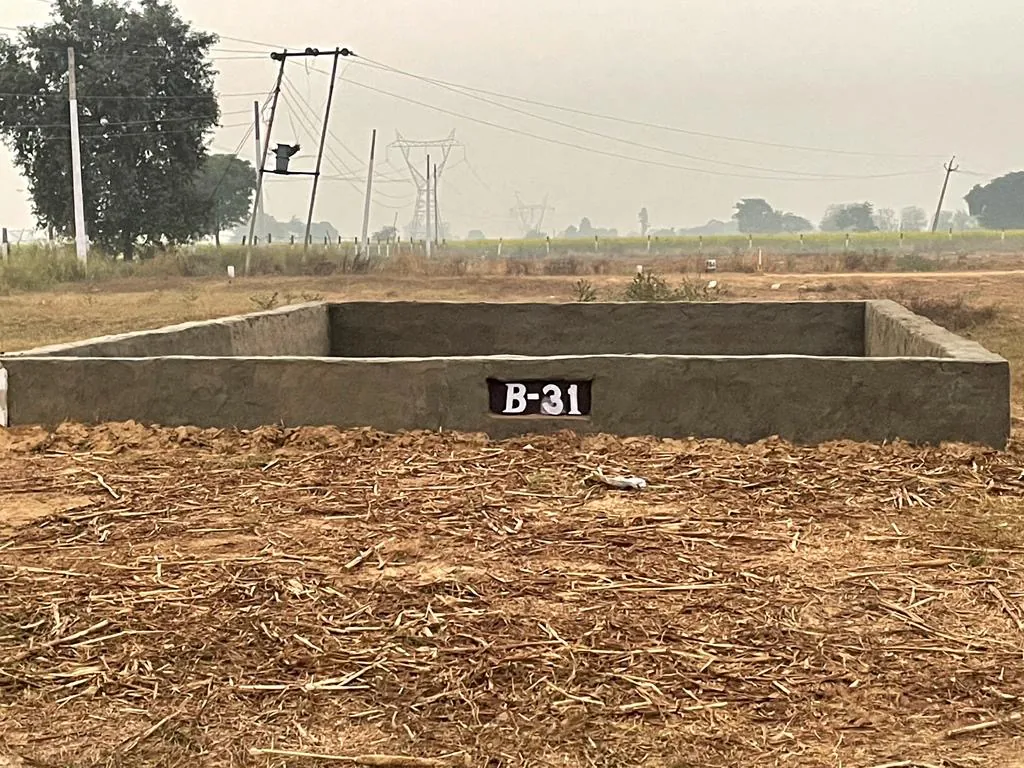
Land is the simplest property to understand and the easiest to get wrong. Almost every problem with a plot comes from a document that wasn’t checked. Here is what to ask for, in plain language.
1. Title chain
A record of who has owned the land, going back many years — ideally thirty. It shows the seller has the right to sell.
2. Sale deed and registry
The registered sale deed is the legal proof of transfer. “Registry” means the deed is registered at the sub-registrar’s office in your name.
3. Mutation (dakhil-kharij)
Mutation updates the revenue records to show you as the owner. Without it, tax and government records still show the old owner.
4. CLU or NA conversion
Agricultural land must be converted for residential use — called change of land use (CLU) or non-agricultural (NA) permission, depending on the state.
5. Approved layout (naksha)
The site plan approved by the competent authority — a development authority, or in some rural areas the Jila Panchayat. It fixes roads, parks and plot sizes.
6. Encumbrance certificate
Shows whether the land has any loan or legal claim against it.
7. Dues and taxes
Receipts showing land revenue, development charges and any maintenance dues are paid.
8. RERA, where it applies
Many plotted projects must be registered with the state RERA; some smaller or older projects are not covered. Ask which applies and why.
How Omson does it
We complete title checks, land-use conversion, layout approval and mutation before we sell, and we show buyers the papers on site. At Dwarka City, for example, registry and mutation are done and the naksha is passed by the Jila Panchayat. Browse all Omson projects.